Pending review by our mountain guides
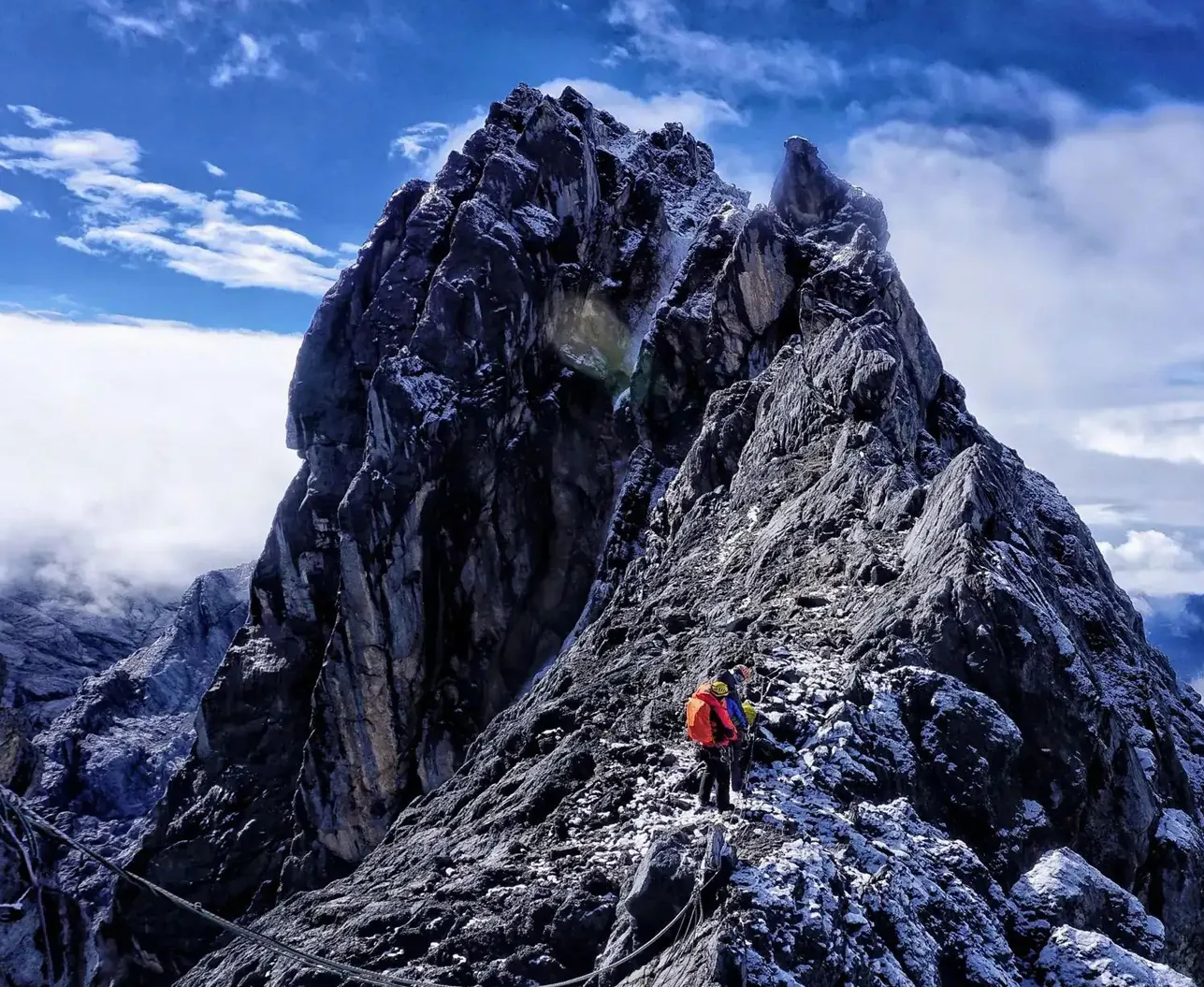
Carstensz Pyramid, known locally as Puncak Nemangkawi, rises to 4,884 m in Central Papua. It is the highest peak in Indonesia and in Oceania, and one of the Seven Summits. Reaching the top means climbing the Carstensz wall on fixed ropes, not just walking uphill, so being ready involves more than general fitness.
This guide gives a general overview of what preparation usually involves. It is not a training plan, and it does not replace advice from your doctor or from our guides.
Fitness for several hard days in a row
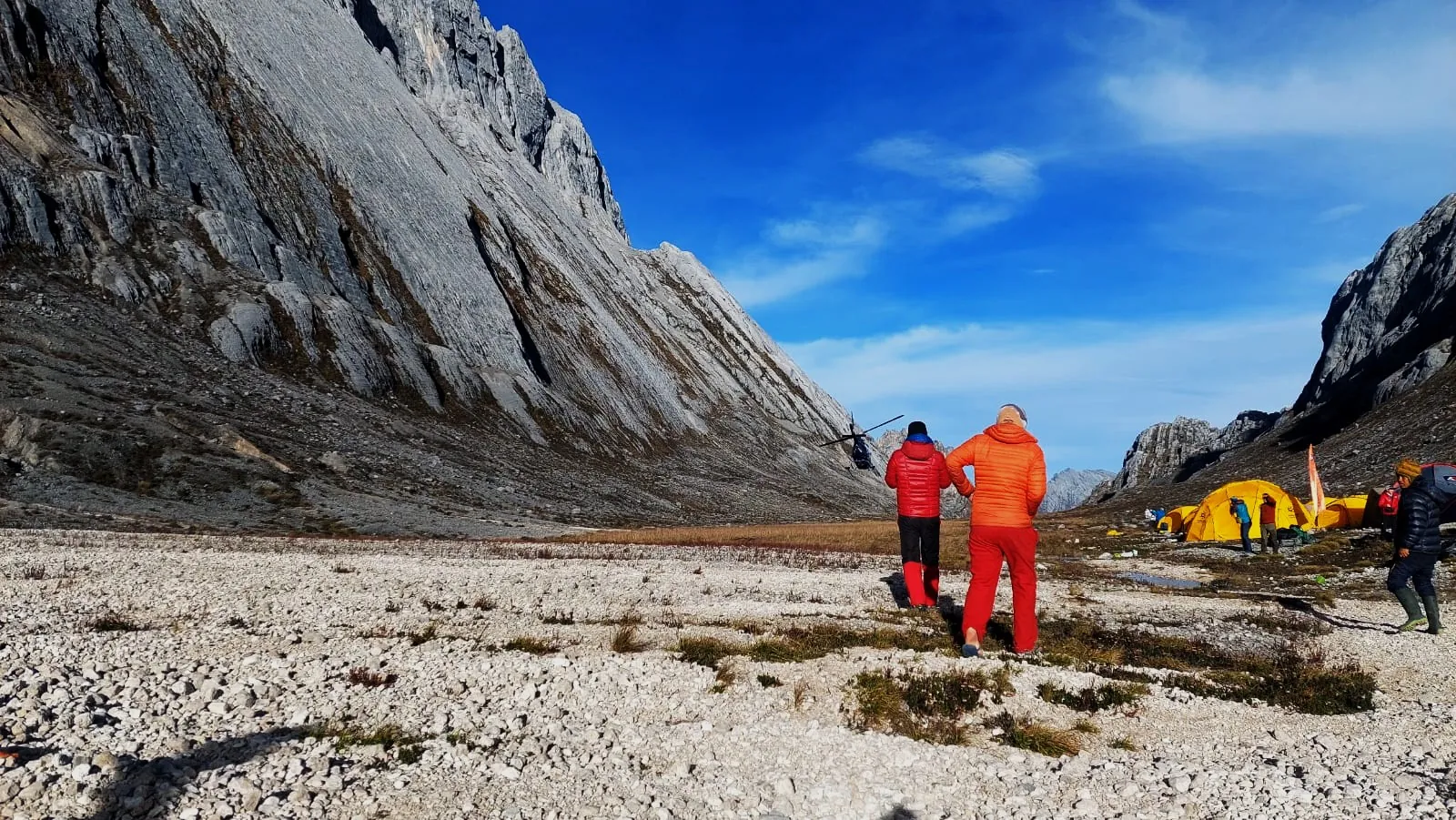
Whichever access route you choose, your body will be working hard for several days. On our trekking itineraries, you walk from Tsinga village (approx. 1,400 m) to Yellow Valley Base Camp (approx. 4,200–4,300 m) over three or four days, then walk back over two or three days. On the helicopter itineraries the approach is a flight, but the climbing days themselves are still physically demanding.
As general guidance, build endurance well before you travel: regular hikes with a loaded pack, hill or stair sessions, and strength work for your legs and core. Training on consecutive days helps your body get used to recovering overnight and going again the next morning.
Rope and technical skills
Fixed ropes on the Carstensz wall are included in our packages, and you will rely on them during the climb.
In general, climbers should practise wearing and adjusting a seat harness and helmet, ascending a fixed rope with an ascender, descending (abseiling) with a descender, and moving safely past anchors from one rope section to the next. A climbing gym, a qualified instructor or a local mountaineering club can teach these skills. Practise until the movements feel routine, because on a mountain you may need them when you are tired.
Check your proposal for equipment. Our helicopter packages list climbing gear (seat harness, helmet, ascending and descending equipment) as included. On other packages, personal climbing equipment is not included, so bring gear you have already trained with.
Altitude
Every itinerary starts in Timika, at approx. 30 m. Yellow Valley Base Camp sits at approx. 4,200–4,300 m and the summit at 4,884 m. That is a big change in altitude, and on the helicopter route it happens in a single flight.
Prior experience at high altitude helps, because it shows you how your own body reacts. The trekking route gains height over several days. The helicopter route gains it all at once, which is why our 8-day helicopter itinerary sets aside days at base camp for acclimatization and the summit.
Talk to your doctor before booking, especially if you have an existing medical condition, and be honest with yourself and with your guides about how you feel once you are at base camp.
Give yourself time to prepare
Fitness and rope skills cannot be crammed into the last few weeks. As general guidance, start training as soon as you decide to go, and plan practice sessions on ropes well before your departure.
Time matters on the trip itself too. Our itineraries are guidelines, not fixed schedules. Weather can extend your stay at base camp or delay helicopter and charter flights, so please reserve extra days. Extra days beyond the agreed itinerary, and costs caused by flight delays or cancellations, are not included in the package.
Insurance is required
Every client must be covered by insurance that includes cancellation, accident, medical, emergency evacuation, and loss or damage of baggage. The company is not responsible for clients who travel without this cover. Evacuation and rescue costs are not included in our packages, which is another reason this insurance matters.
As general advice, read the policy wording carefully and check that it covers mountaineering at the altitudes on this trip and evacuation from a remote mountain area.
One team, one schedule
All members of a group go to the mountain and return as one group. If someone splits from the group, extra costs apply. Part of being ready is accepting that the team moves together and that the plan may change with the weather.
Who you will climb with
We are a company owned and managed by the indigenous Amungme people. Local mountain guides received official professional certificates from the Ministry of Tourism at an event in Timika on 23 September 2025, and our team members Pelinus Beanal and Elias Beanal reached the summit, as reported in November 2025.
If you are unsure whether you are ready, tell us about your climbing and altitude experience when you enquire.
This article is general guidance and is pending review by our mountain guides. Your final itinerary and requirements are confirmed in your proposal.