
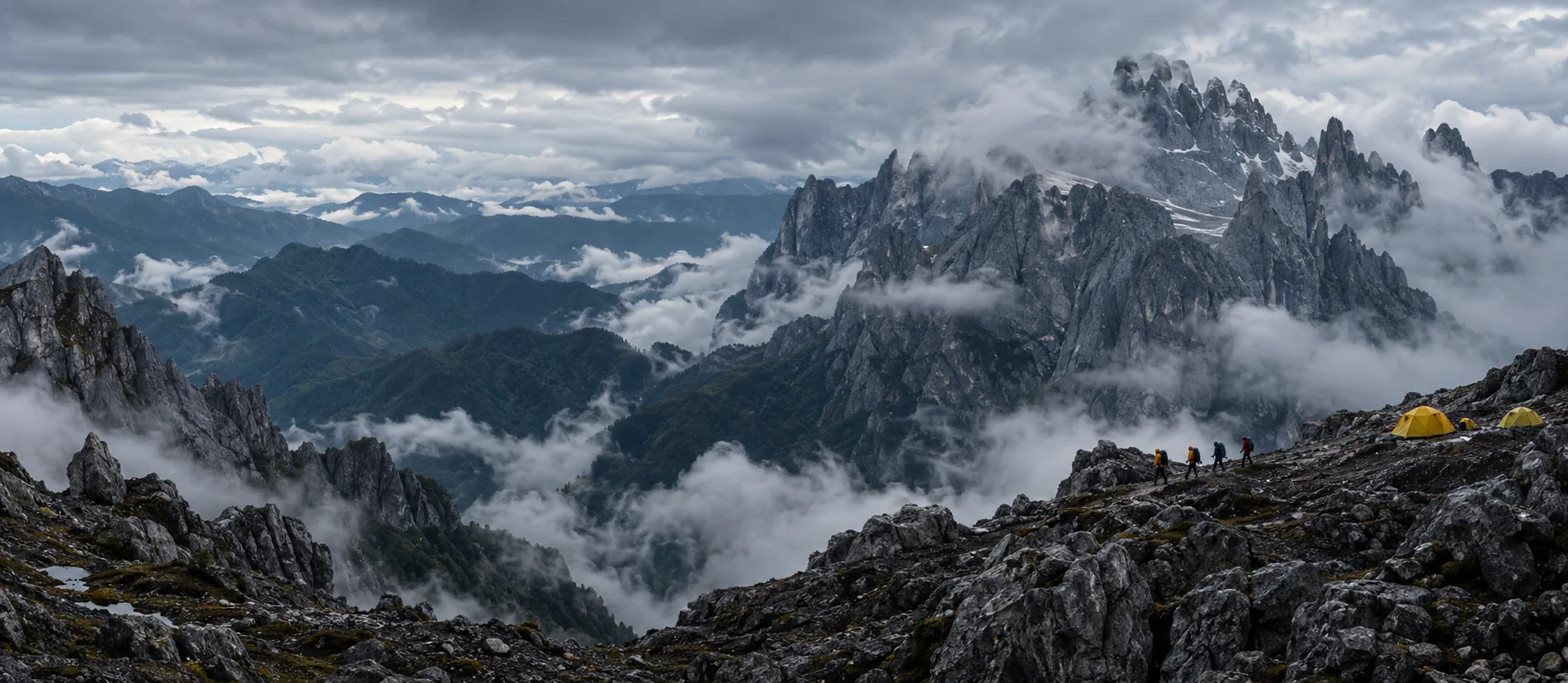
Nemangkawi Peak
Get practical guidance on readiness, access, equipment, field logistics, and expedition timing.
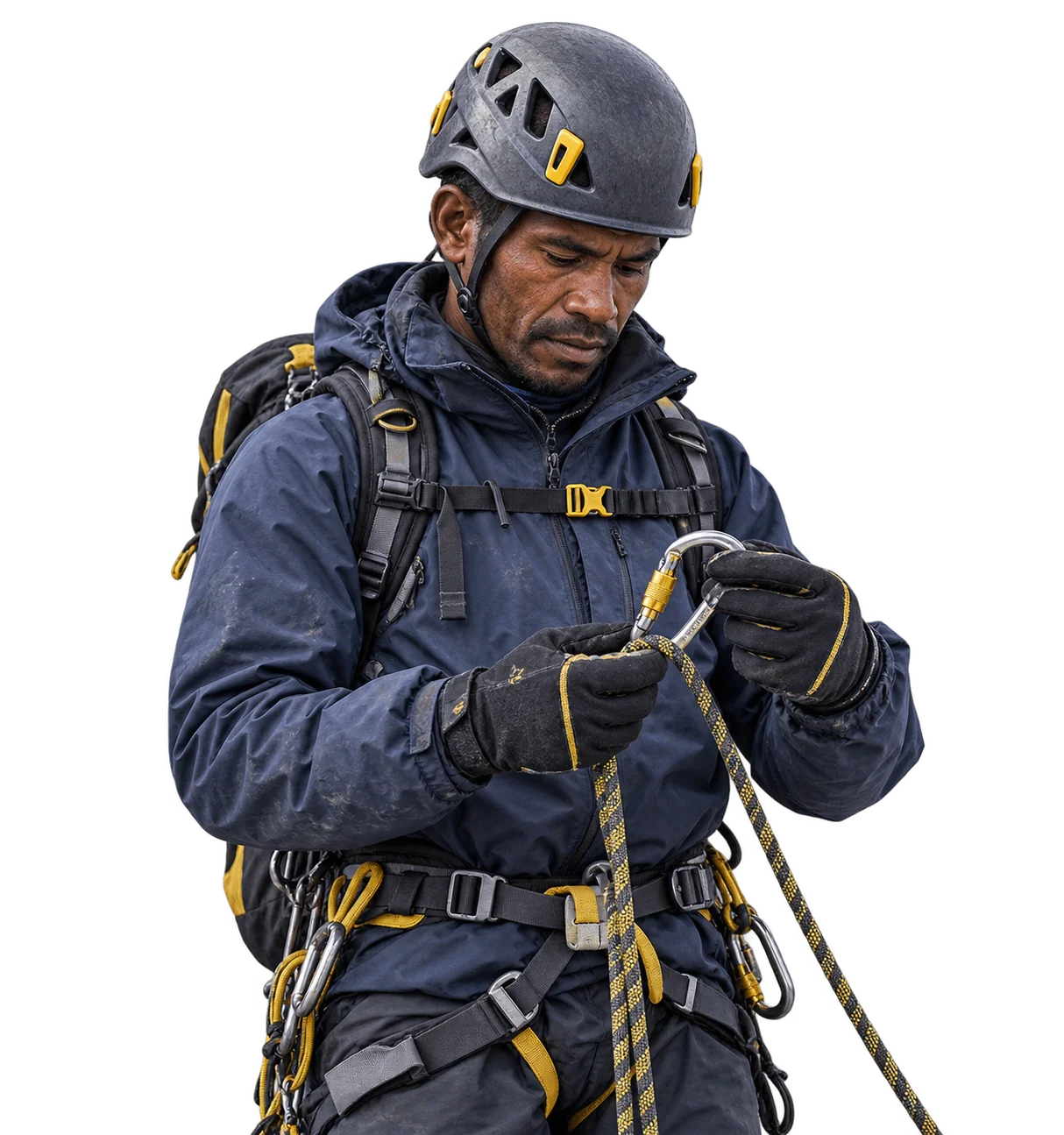
You should be comfortable with exposed mountain terrain and have prior experience using a harness, ascender, descender, rappel device, and fixed ropes. Each background is reviewed individually.
Prepare for consecutive demanding days, steep approaches, technical movement, and limited recovery. Training should combine aerobic capacity, uphill endurance, strength, and efficiency with equipment.
Yes. Ascending, descending, changeovers, clipping past anchors, and organizing your personal system should be practiced before departure.
Yes. A readiness review identifies priorities and can be followed by a tailored training, skills, and equipment roadmap.
You should discuss remote high-altitude travel with an appropriate medical professional and disclose relevant conditions to the expedition team during planning.
Suitability considers experience, technical competence, fitness, health, judgment, equipment familiarity, and the time available to close preparation gaps.
Pricing is based on team size, guide ratio, support scope, current access plan, logistics, timing, and contingencies. A written proposal follows the readiness conversation.
Deposit and payment stages are stated in the confirmed proposal, together with the conditions tied to permits, logistics, and supplier commitments.
The proposal identifies the exact local coordination, field logistics, base camp support, guiding, meals, transfers, and communications included in your plan.
International travel, personal equipment, insurance, medical costs, documentation fees, and expenses caused by delays are commonly quoted or handled separately.
Cancellation and rescheduling terms depend on timing and committed third-party costs. The applicable terms are provided before payment.
Weather, access, aviation, transport, and regional conditions can move independently of the itinerary. Buffer days protect options and reduce schedule pressure.
No. Access depends on current permits, regional conditions, local coordination, transport availability, and security considerations.
The field team coordinates the documentation and local process within the confirmed expedition scope, subject to current requirements and approvals.
Requirements are confirmed for the chosen timing and may include passport copies, insurance evidence, medical information, photographs, and additional local documentation.
Begin early enough to assess readiness, train, test equipment, arrange documentation, and retain flexibility around access and transport.
Yes. Regional access, permits, aviation, transport, and security conditions can change. The team communicates updates and available alternatives.
Arrange insurance appropriate to technical mountaineering, remote-area medical treatment, evacuation, cancellation, and your full itinerary. Confirm coverage directly with the insurer.
The exact staging sequence is confirmed with the current access plan. It includes team assembly, equipment checks, briefings, and preparation for field movement.
Transport depends on the active access plan and current availability. Every option remains subject to operational, weather, and regional conditions.
Yellow Valley is a remote operational camp. Systems prioritize shelter, meals, recovery, communications, equipment control, and readiness for the summit rotation.
Weight limits, duffel requirements, and movement plans are confirmed before departure. Climbers remain responsible for organizing critical personal climbing equipment.
The expedition carries planned field communication systems, but coverage and performance can vary. Communication protocols are reviewed during the briefing.
The team reassesses weather, access, supplies, health, and remaining options. The itinerary may pause, change, or end depending on the situation.
Programs can combine readiness assessment, access coordination, staging, field logistics, base camp support, technical guiding, and contingency planning.
Yes. Private formats can be planned around team experience, guide ratio, timing, preparation milestones, and the required support scope.
The confirmed plan covers guide strategy, rope systems, pacing, communications, turnaround criteria, and the movement sequence from camp to the route and back.
Extensions should be discussed early and remain subject to access, logistics, permits, regional conditions, and supplier availability.
No. The summit is never guaranteed. Weather, health, access, timing, equipment, route conditions, and team safety determine the outcome.
The lead guide may turn the team around whenever continuing is no longer responsible. That decision is final in the field.