Home The Mountain Carstensz Pyramid

Carstensz Pyramid

Carstensz Pyramid Mountain Overview

Nemangkawi Peak

Carstensz Planning Desk

Get practical guidance on readiness, access, equipment, field logistics, and expedition timing.

Carstensz Pyramid Mountain Overview

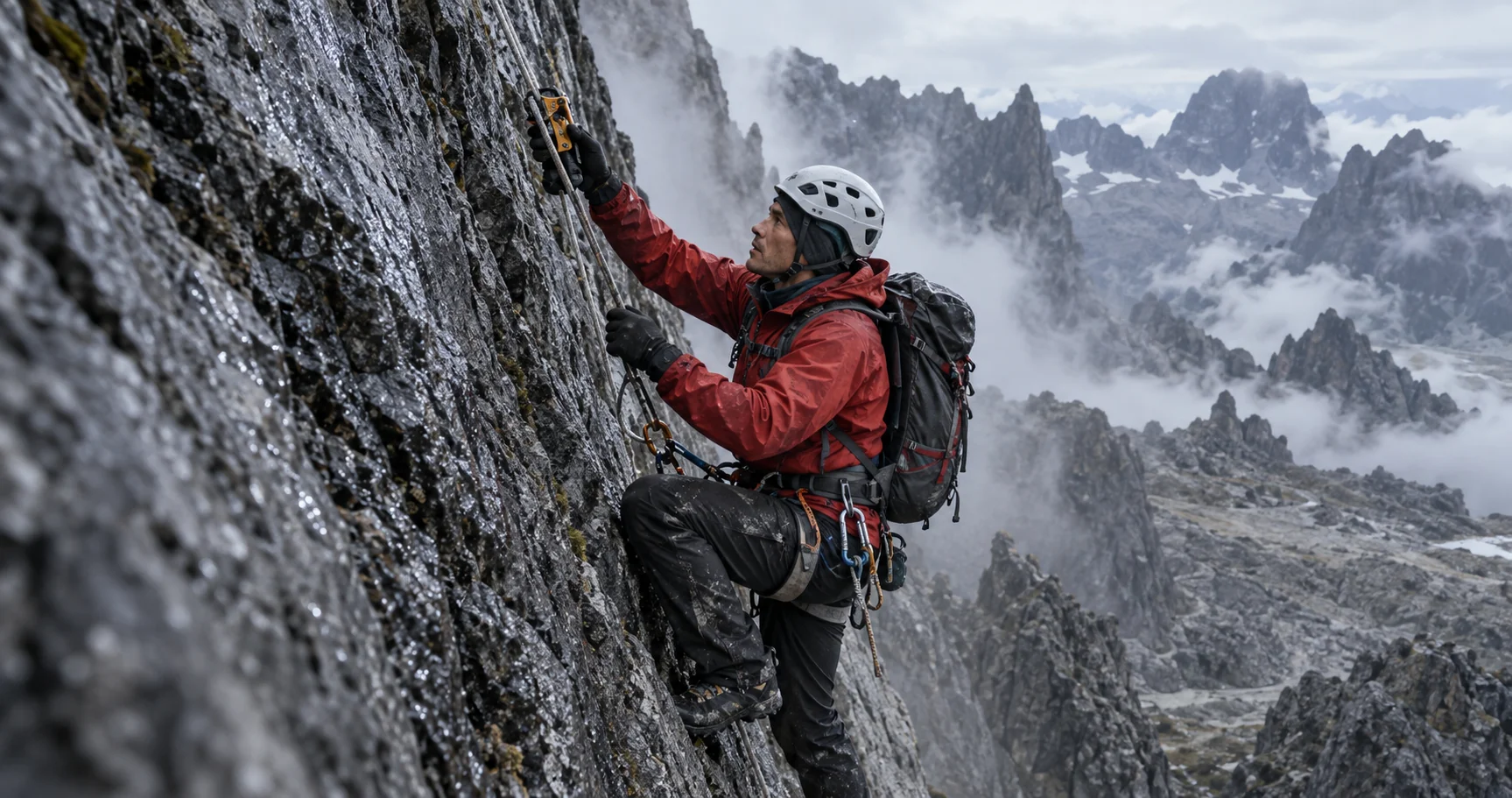
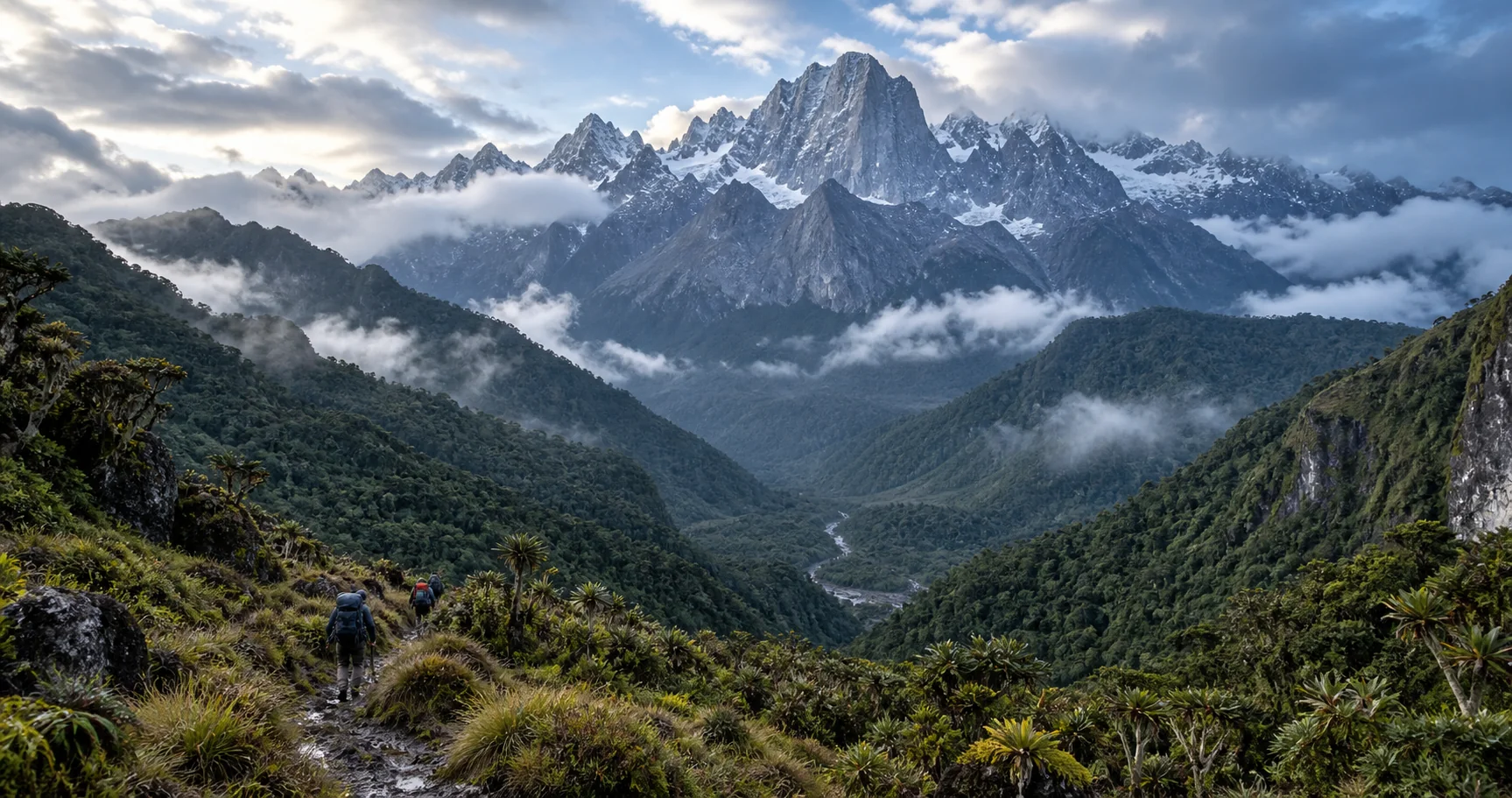
Carstensz Pyramid, also known as Puncak Jaya or Nemangkawi, rises from the rugged highlands of Central Papua. Its steep limestone, exposed fixed-rope sections, fast-changing weather, and remote access make it a serious technical expedition rather than a conventional trekking holiday.

A credible plan combines technical preparation, current access coordination, disciplined movement on the mountain, and enough flexibility to respond to weather, transport, health, and route conditions.
Mountain Highlights

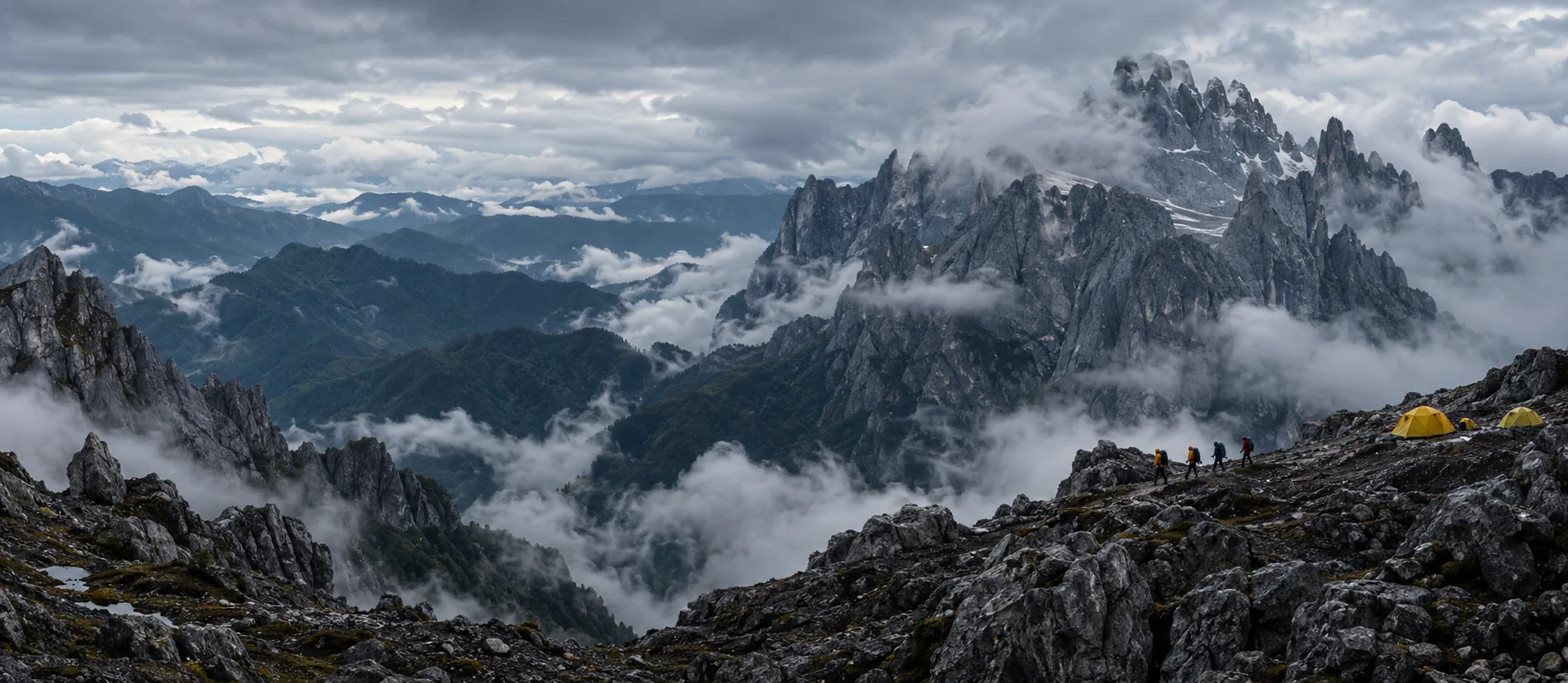
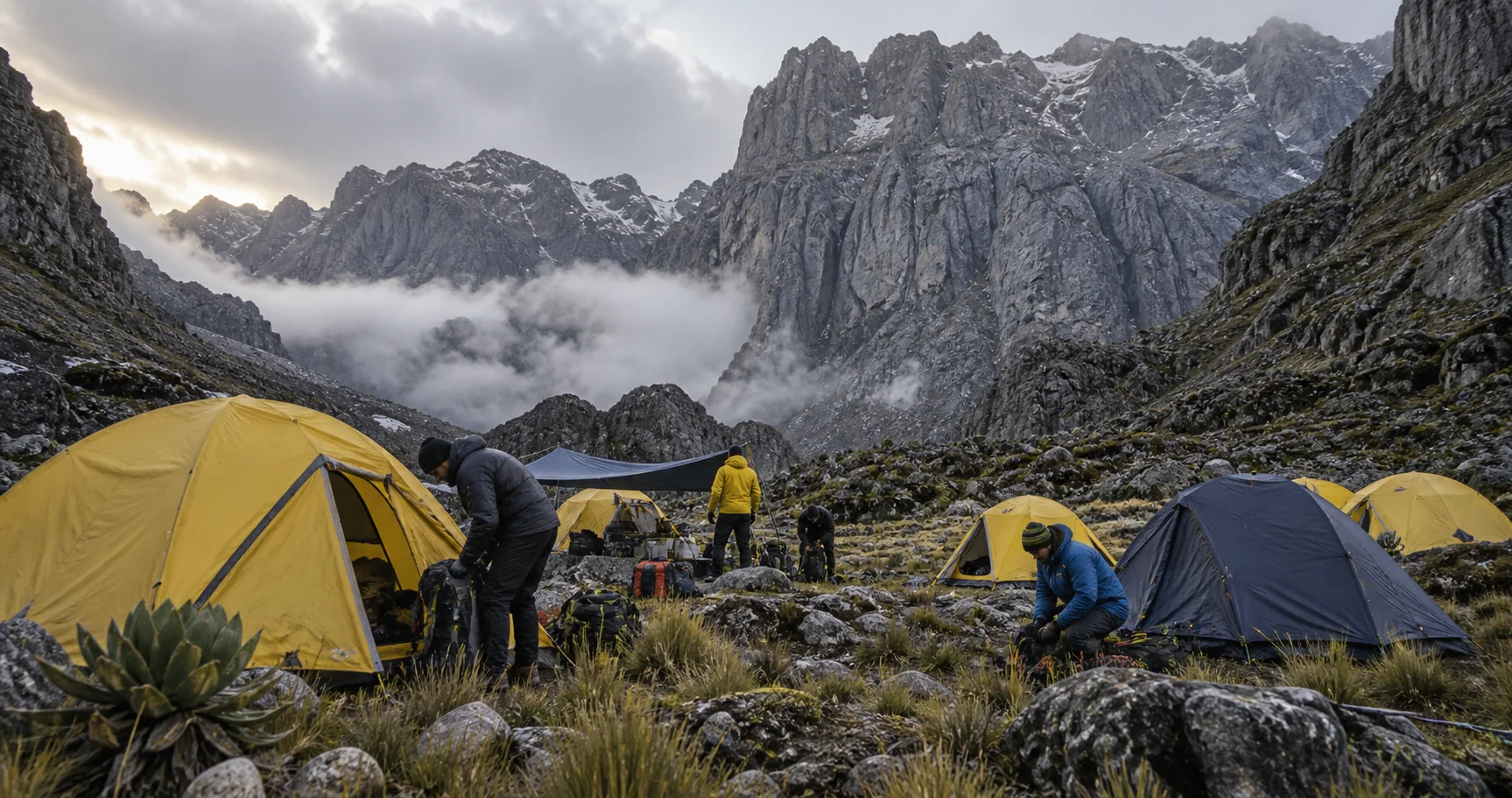
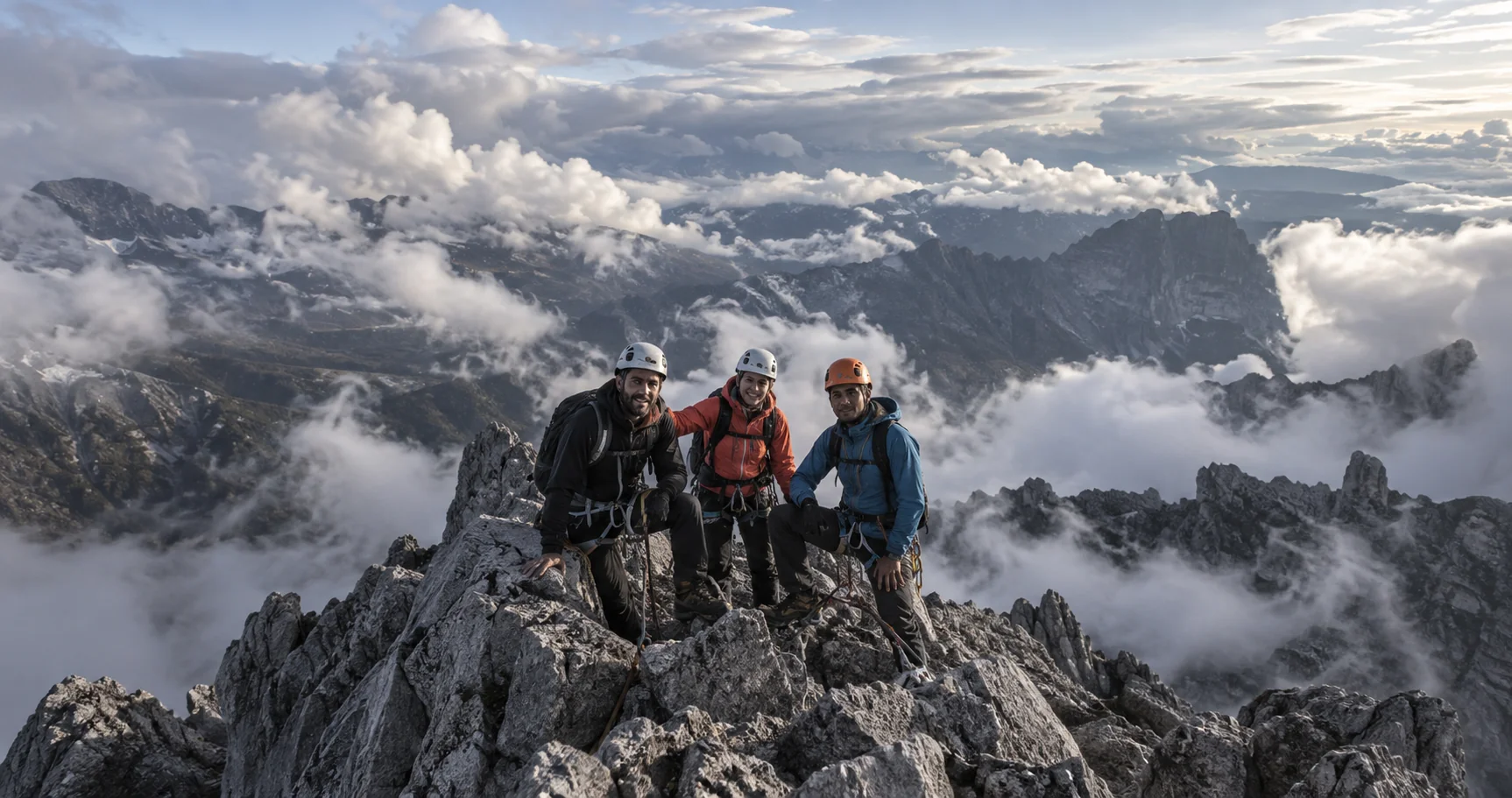
The expedition moves from regional staging and local coordination into a high, wet alpine environment. Yellow Valley provides the operational base before climbers approach the limestone face, manage fixed ropes, and commit to an exposed summit ridge.

Core Expedition Elements

Every stage has a purpose: confirm systems, adapt to conditions, protect team energy, and make conservative decisions. The mountain rewards preparation and efficient technical movement, not rushed itineraries.

Central Papua arrival and expedition staging

Permit, access, and local coordination checks

Yellow Valley base camp systems

Limestone approach and exposed scrambling

Fixed-rope ascent and descent systems

Tyrolean traverse and ridge movement

Weather-window and turnaround decisions

Summit attempt with disciplined pacing

Expedition FAQs

Carstensz Expedition Questions

Start with clear expectations. These answers cover readiness, access, weather, logistics, and the decisions that shape a responsible Carstensz expedition.

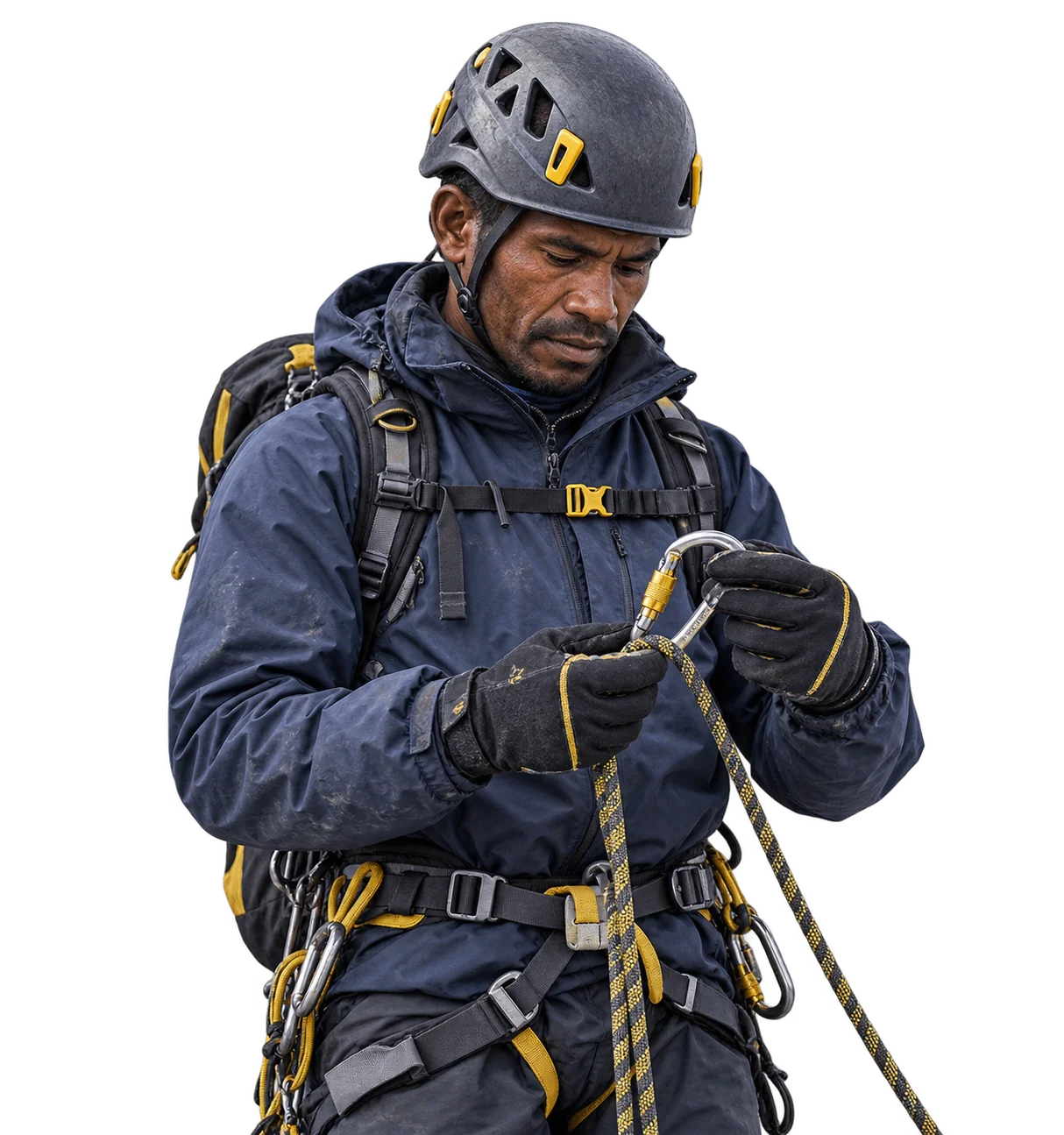
Climbers should have solid mountain fitness and prior experience with harnesses, ascenders, descenders, rappels, exposed scrambling, and fixed ropes. Readiness is reviewed individually.

Yes. Training priorities, equipment checks, timing, and support are adapted to your current experience and the gaps identified during the readiness review.

The confirmed proposal clearly lists readiness support, local coordination, logistics, base camp services, guiding, and contingency provisions included in your scope.

The team reviews current conditions and available alternatives. Buffer time is recommended because permits, regional access, transport, and weather can change.

No. Weather, health, access, route conditions, equipment, timing, and team safety determine every summit decision.

Share your climbing background, fixed-rope experience, preferred timing, and team format through the readiness review form.